Introduction: Understanding the Value of Emergency Treatment Courses
First help courses are invaluable for any person looking to furnish themselves with life-saving abilities. Whether you are a parent, educator, caregiver, or just an interested person, knowing emergency treatment can make all the distinction in emergency situations. Nonetheless, there are many misconceptions surrounding these courses that might deter individuals from enlisting. This article intends to debunk these false impressions and supply clearness on what emergency treatment and CPR courses really entail.
What is an Emergency treatment Course?
A first help course is a training program designed to instruct individuals how to react effectively to clinical emergency situations. These programs cover a variety of topics including mouth-to-mouth resuscitation (Cardiopulmonary Resuscitation), injury care, choking relief, and therapy for burns and cracks. Participants usually find out with hands-on method alongside academic understanding, enabling them to obtain self-confidence when faced with real-life scenarios.
The Value of mouth-to-mouth resuscitation in Emergency Treatment Training
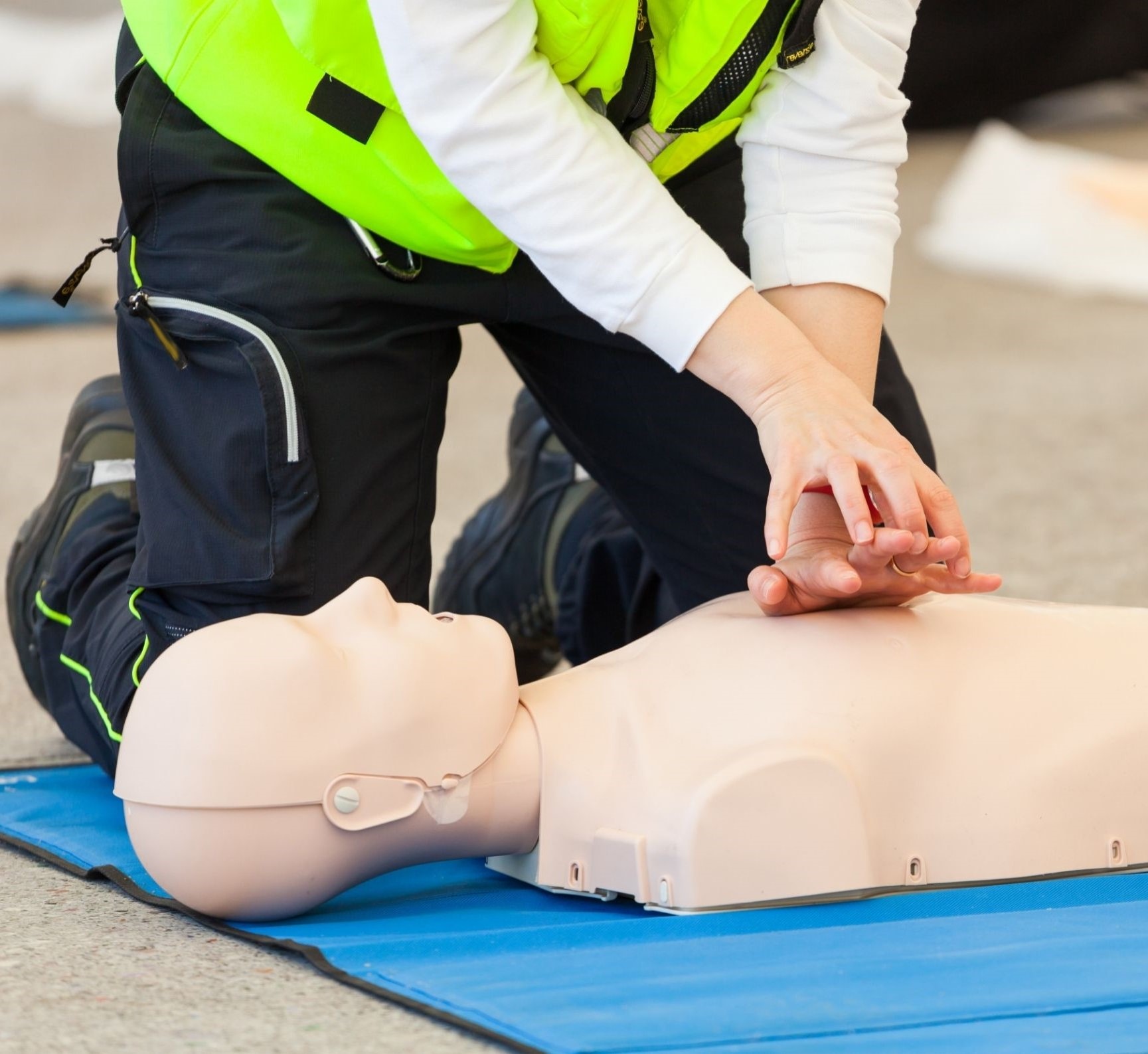
CPR is among one of the most critical elements instructed in first aid training courses. The capability to carry out CPR successfully can mean the distinction between life and death for someone experiencing cardiac arrest. In many first aid and mouth-to-mouth resuscitation courses, participants are educated on the appropriate strategies for grown-up, kid, and infant mouth-to-mouth resuscitation. In addition, they learn just how to use automatic external defibrillators (AEDs), which can significantly enhance survival rates if utilized promptly.
Top Misconceptions About First Aid Courses Debunked
Myth 1: Emergency treatment Courses Are Just for Medical care Professionals
One usual misunderstanding is that just medical care specialists need to take first aid training courses. This couldn't be additionally from the fact!
Why Everybody Need to Take into consideration Taking a First Aid Course
Anyone can gain from finding out basic emergency treatment skills no matter their occupation. Emergencies take place almost everywhere-- in homes, schools, workplaces, and public spaces-- and having actually educated individuals readily available can save lives.
Myth 2: You Required to Be Healthy to Take a CPR Course
Many people think that being physically fit is a need for taking mouth-to-mouth resuscitation training courses.

Reality Check: No Physical Fitness Degree Required
In truth, these training courses are made for all health and fitness levels. While some physical jobs might be included (such as carrying out upper body compressions), teachers adjust training approaches so everyone can participate fully.
Myth 3: Emergency treatment Educating Is Too Complicated to Understand
Another myth focuses on the assumption that first aid training is too complicated or technical.
Simplifying Facility Procedures
First aid courses use straightforward language and functional presentations that make discovering easily accessible for everyone. Lots of people find they can understand the principles with relative convenience after simply a couple of hours of training.
Myth 4: Certification Is Just Important for Certain Professions
Some individuals think that getting a first help certificate is only valuable if you work in particular fields like health care or education.
Certification Issues Across All Fields
In fact, numerous companies across numerous industries favor or require employees to have existing first aid qualifications as component of their workplace safety protocols.
Myth 5: Once Educated, You Do Not Required Refreshers
People usually believe that as soon as they have actually finished their training, they're set for life!
Lifelong Discovering Is Key
However, medical referrals and procedures progress gradually. Regular correspondence course ensure your skills stay current-- ideally every two years-- to keep your first aid certificate status.
Myth 6: Online Training Is Equally As Effective as In-Person Training
With online learning getting appeal, several assume it offers an equal degree of education compared to in-person classes.
Hands-On Method Trumps Display Time
While on the internet resources use useful details, absolutely nothing defeats hands-on practice given by certified instructors during in-person sessions where you can communicate with devices like AEDs and practice techniques on mannequins.

Key Components of Emergency treatment Courses
Understanding Different Sorts of First Aid Flows Available
When it comes to picking a first aid course, you'll discover various offerings customized for various requirements:
- Basic Life Support (BLS) Pediatric First Aid Wilderness First Aid Workplace Security Training
Each kind emphasizes distinct material based upon the setting where skills might be applied.
Importance of Hands-On Practice in Discovering Mouth-to-mouth Resuscitation Techniques
Why Practical Experience Issues More Than Theory Alone?
One significant facet that establishes reliable emergency treatment programs apart is the hands-on experience they offer participants. Involving directly with resuscitation methods enables learners not only to recognize however additionally retain important info much better than with lectures alone.
How Long Does It Take To Total an Emergency Treatment Course?
Typical Duration Varies Based on Certification Type
Generally talking:
- Basic first-aid training may take anywhere from 4-8 hours. Comprehensive programs like First Aid and mouth-to-mouth resuscitation course might last approximately 16-20 hours over numerous days.
The period usually depends on qualification demands or organizational needs.
What Is Covered in a Regular Emergency Treatment Course?
Key Topics Normally Included
Recognizing emergencies Assessing targets' conditions Performing CPR Using AEDs Treating injuries & & burns Managing choking incidentsThese fundamental subjects prepare people for different emergency situation circumstances they'll likely encounter throughout life.
FAQs About Emergency treatment Courses
FAQ 1: What should I give my emergency treatment course?
Most training courses offer tools; nevertheless, bringing personal note-taking materials can aid enhance your understanding during sessions.
FAQ 2: Just how often must I renew my certification?
Typically every 2 years is advised; this guarantees you're updated on any type of modifications in standards or procedures within first-aid practices.
FAQ 3: Can I receive my accreditation online?
While some elements might be completed online (like theory), functional skills have to generally be demonstrated personally under guidance before certification is granted.
FAQ 4: Do I require prior experience prior to enrolling?
No previous experience necessary! Many beginner-level courses welcome those with no background expertise whatsoever; they're designed particularly for newcomers!
FAQ 5: What influence does learning first-aid contend my workplace?
Having licensed staff fosters an atmosphere where safety and security ends up being prioritized-- it outfits co-workers with essential skills leading towards quicker responsiveness during unanticipated events!
FAQ 6: Exist unique factors to consider relating to kids's security when finding out about pediatric-first-aid?
Absolutely! Pediatric-specific programs concentrate greatly on age-related subtleties ensuring caretakers feel confident reacting properly when confronted with emergencies entailing infants/children!
Conclusion
Understanding the leading myths concerning first aid courses aids debunk this necessary training while motivating extensive involvement across demographics that might otherwise shy away due misconceptions! Not only does completing such programs empower individuals within neighborhoods-- they additionally cultivate more secure environments via raised recognition coupled with readiness among citizens all over striving in the direction of boosted health First Aid Course Sydney CBD end results general! So don't think twice-- sign up today into one of those impactful CPR or various other pertinent first-aid-courses!